
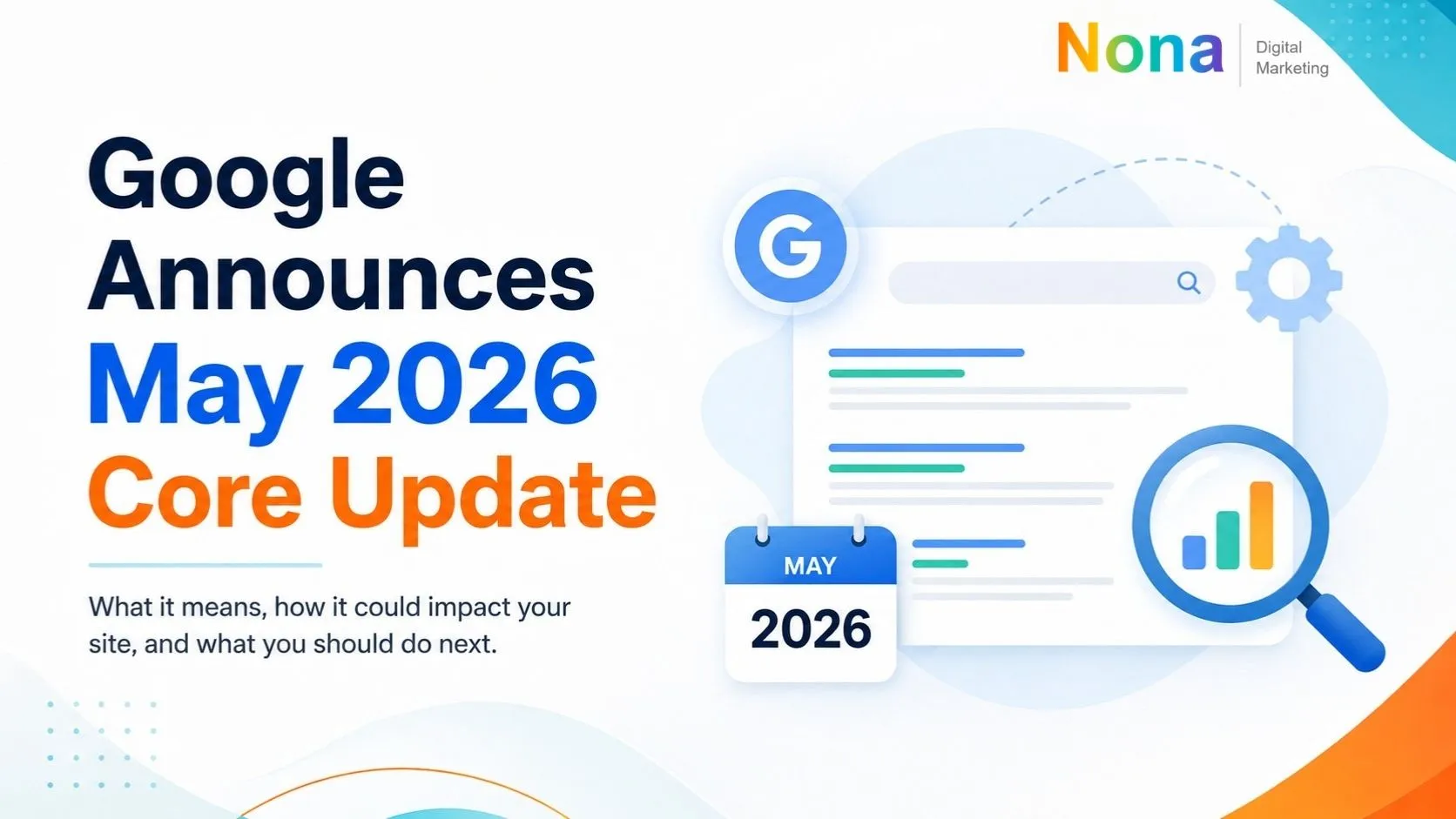
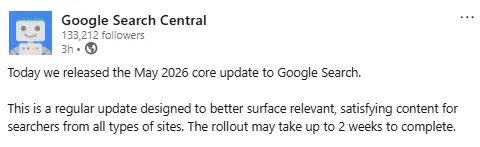
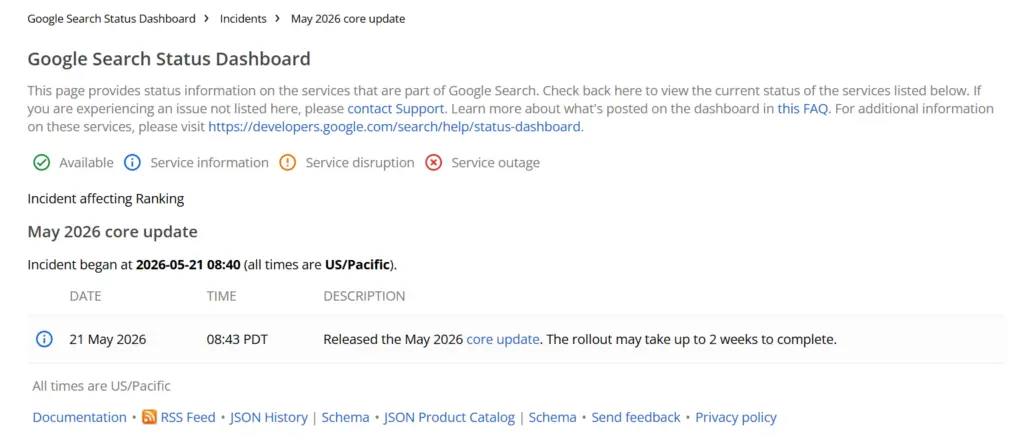
The Google May 2026 Core Update began rolling out on May 21, shortly after Google I/O 2026 wrapped up. The rollout is expected to take around two weeks to complete.
That means site owners should be careful not to react too quickly. Rankings can move around a lot during a core update, and the picture is usually clearer once the rollout is complete.
For now, the best move is to watch your data closely. Compare performance before and after the update, and look for patterns across your pages, keywords, and traffic sources.
In this article, we’ll walk through what to check in Google Search Console after the May 2026 Core Update and how to tell whether your site was actually impacted.
Table of Contents
About Google: May 2026 Core Update
As usual, Google has not shared many specifics about what is changing. Its official announcement used the standard wording we often see with core updates, saying this is a regular update meant to surface more relevant, satisfying content across all types of sites.
This is Google’s fourth major update so far, coming roughly two months after the March 2026 Core Update finished rolling out.
How do core updates work?
Google Core updates are broad adjustments to Google’s ranking systems.
There are hundreds of factors that influence how Google evaluates page relevance. These factors are recalibrated several times a year, always with the goal of improving the quality of what is displayed.
Google almost never gives a clear explanation of what is actually changing.The image below illustrates how Google communicates the reasoning behind changes related to a search ranking update.
It is also important to remember that Core Updates can affect every part of Google Search. That means AI Overviews, AI Mode, Discover, and Google News may all see changes as well.
What impact could the May 2026 Core Update have?
As with any Core Update, fluctuations in organic search results are expected.
Google updates do not target or “punish” specific pieces of content. However, when Google adjusts how it evaluates ranking signals, some websites can move up or down significantly.
In practical terms, a site might lose several positions without any obvious issue, simply because Google is interpreting its relevance or quality differently. The opposite can also happen: some sites may gain visibility very quickly.
What should you do during this Core Update?
Oddly enough, the best move right now is to avoid making any rushed changes.
Instead, keep an eye on your site’s performance, watch which pages are moving up or down in the rankings, and wait until the update has fully rolled out before drawing conclusions.
That is because Google’s core updates are based on signals and data gathered over time. So, any changes you make while the update is still rolling out are unlikely to have an immediate impact on how your site performs during this specific update.
So, for now, focus on the basics:
- Track clicks, impressions, and average position in Google Search Console.
- Identify whether ranking changes are affecting the entire site, specific sections, or only a few individual pages.
- Look at competitors in your niche to see whether they are seeing similar movement.
- Avoid making rushed changes. Give the update some time to settle, then use the data to decide what needs to be improved.
If you ranking falls down, Before blaming a Google update, make sure your technical SEO foundation is solid. That includes having a clean XML sitemap, proper crawlability, and clear indexation signals.
Google recommends waiting at least one week after the update has finished rolling out before making major changes to your SEO strategy. This gives you a cleaner before-and-after view of your performance around the May 2026 Core Update.
What to do if your rankings drop after a Google Core Update
If your rankings drop after a Google core update, don’t panic and don’t make rushed changes. A drop does not always mean your website was penalized.
Start by looking at the data, checking your technical SEO foundation, and understanding whether the impact is affecting your whole site or only specific pages.
Here are 3 things to check before making any major changes:
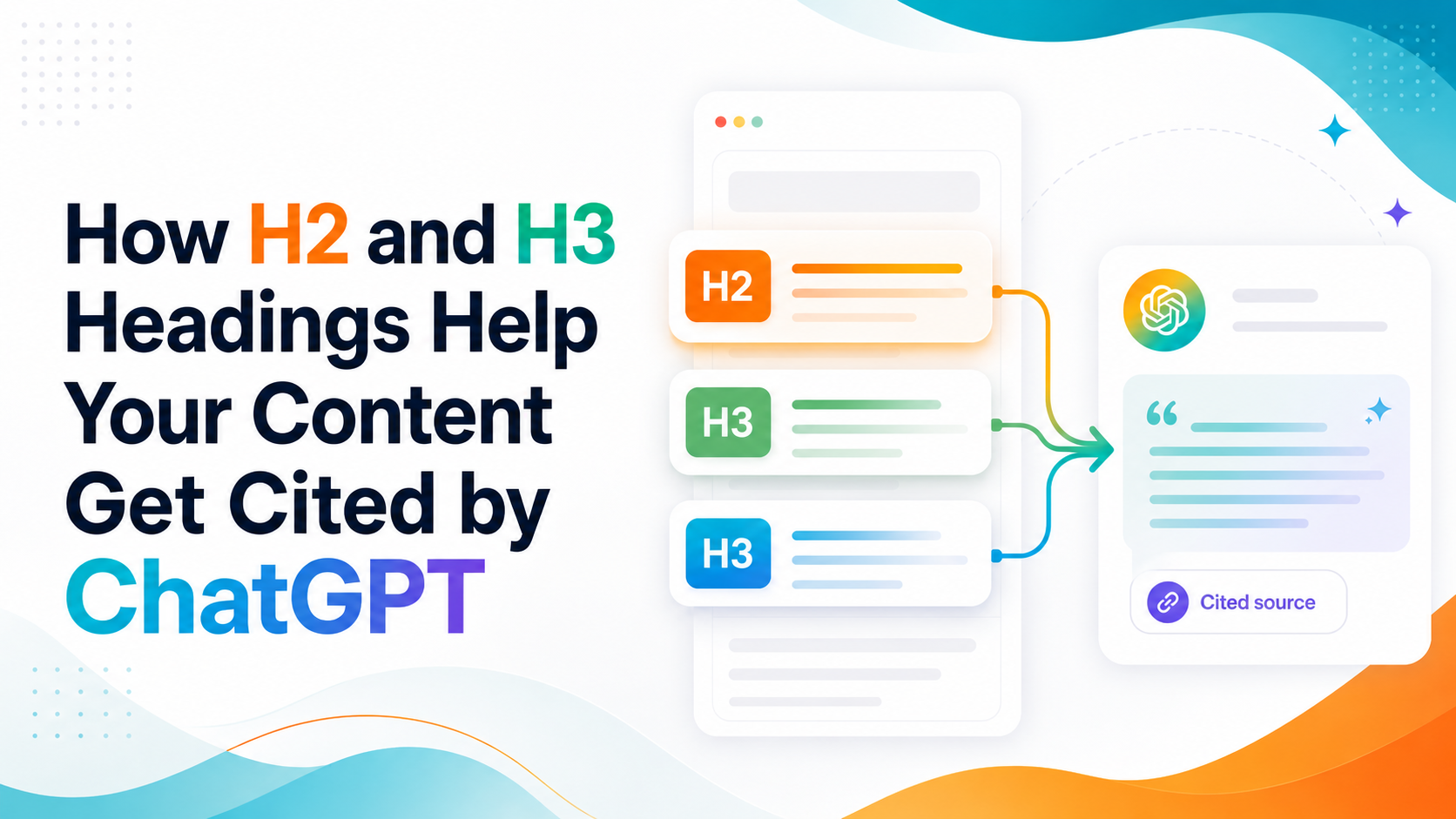
- Make sure your website content is clear and well structured. A clear content structure helps search engines and AI systems better understand your pages, which is why proper heading optimization
- If your rankings drop, avoid blaming a Google update right away. Start by checking whether your technical SEO foundation is solid, including a clean XML sitemap, proper crawlability, and clear indexation signals
- Google updates are a reminder that SEO is not just about keywords. Technical quality, content depth, user intent, and overall site trust all play a role in long-term visibility.
What metrics to monitor in Google Search Console
Google Search Console is the best place to start when checking how your site was affected by a Core Update.
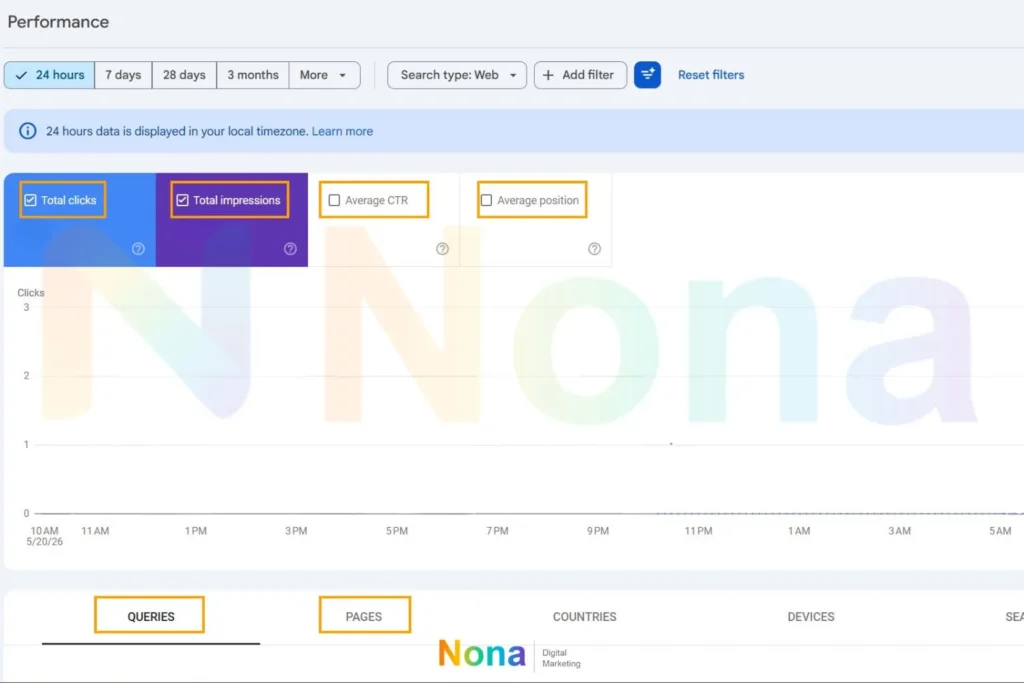
Focus on these key metrics:
Clicks
How many people are visiting your site from Google Search?
Impressions
How often your pages are appearing in search results?
Average position
Whether your rankings are moving up or down.
CTR
How often people click your result after seeing it?
Queries
Which search terms are bringing users to your site?
Pages
Which pages are gaining or losing traffic?
Do not focus on one single day. Look at the bigger picture and compare your performance before and after the update. This will help you understand whether the drop is serious, temporary, or limited to only a few pages.
With that context, it becomes much easier to understand what actually changed, what needs attention, and what should be left alone.
At the same time, you do not have to navigate these changes by yourself. We help businesses understand how Google updates affect their visibility, identify the pages and opportunities that matter most, and build SEO strategies focused on long-term growth, not quick fixes or panic-driven changes.
If your rankings have dropped, your traffic is moving unpredictably, or you simply want to know whether your site is prepared, we can help.
Nona Digital Marketing helps businesses in Orlando and across Florida improve their SEO in Orlando, understand the impact of Google updates, uncover what is holding their visibility back, and build SEO strategies that protect and grow organic traffic over the long term.
Get in touch with us today and let’s turn this update into an opportunity for stronger search performance.
Looking to grow your business with SEO?
Get a strategy built around your business, your goals, and long-term organic traffic.